

Discover the wildlife of a remarkable landscape shaped by wide-open plains, rugged terrain, and the challenges of life in a dry climate.
Life in a Land of Extremes
The American Southwest is home to an extraordinary variety of wildlife. From desert landscapes and grasslands to shrublands and mountain forests, its animals have adapted to a wide range of conditions.
Water and vegetation shape where many species can live. The region also provides important migratory and breeding habitat for more than 400 bird species.
Different Habitats, Remarkable Wildlife
Each landscape offers its own conditions, resources, and challenges for the animals that live there.
Desert
Hot days, cool nights, and limited water make the desert a challenging place to live. Reptiles and other wildlife have developed adaptations that help them survive in these conditions.
Grasslands & Plains
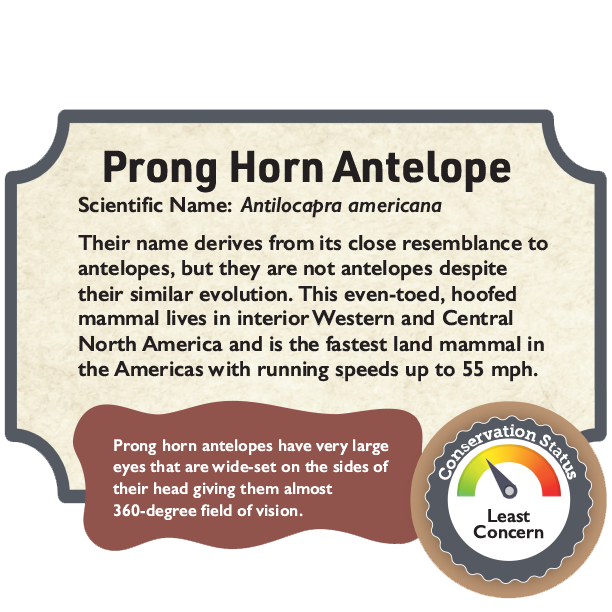
Open landscapes provide habitat for grazing animals, burrowing mammals, and ground-nesting birds. These ecosystems depend on the balance between native grasses, wildlife, and changing conditions.
Woodlands & Mountains
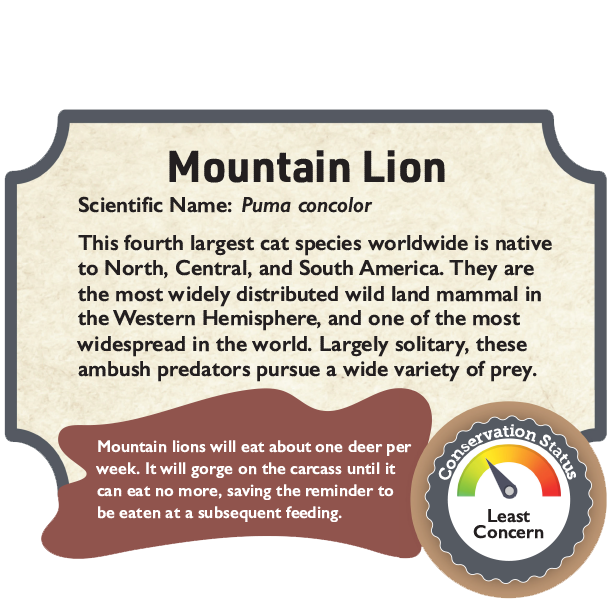
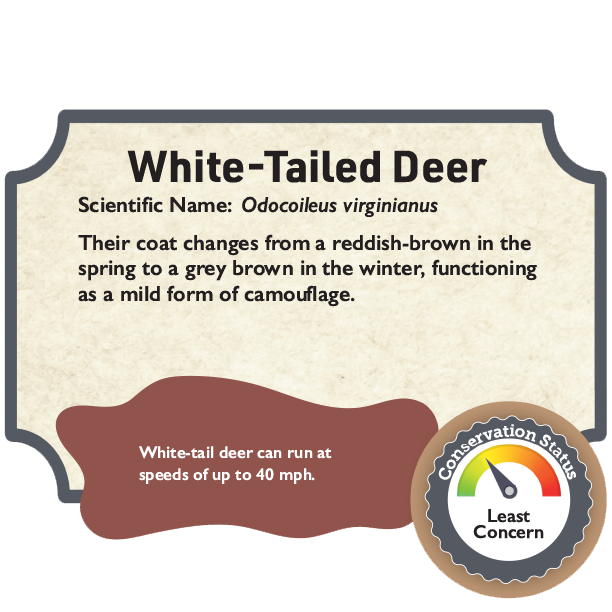
Higher elevations and wooded areas offer cooler conditions, vegetation, and shelter. Deer, mountain lions, and many bird species use these varied habitats.
Get to Know the Wildlife
Every animal has a story. Meet a few of the Southwest's fascinating residents and discover what makes each one special.

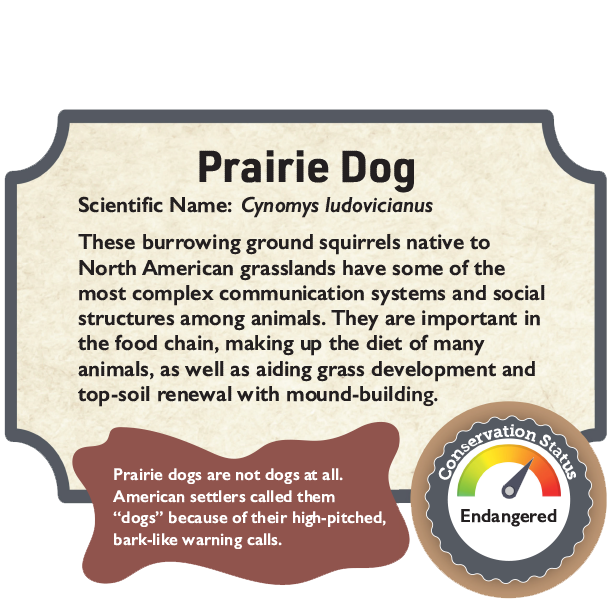
Prairie Dog
Prairie dogs live in underground colonies and play an important role in grassland ecosystems. Their warning calls help alert other members of the colony to potential danger.
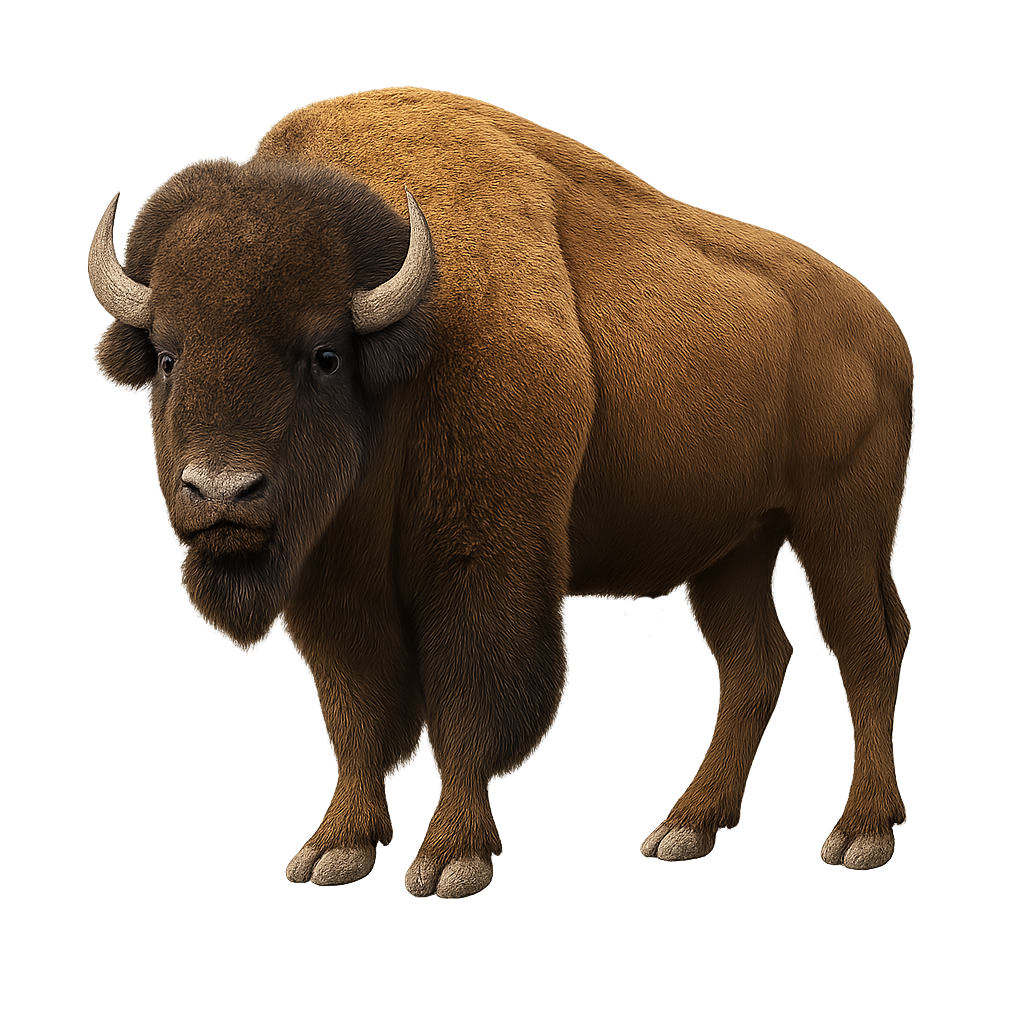
Bison
Built for life on open plains, bison are powerful grazers with a distinctive shoulder hump and thick coat. Despite their size, they can run at speeds of up to 35 miles per hour.
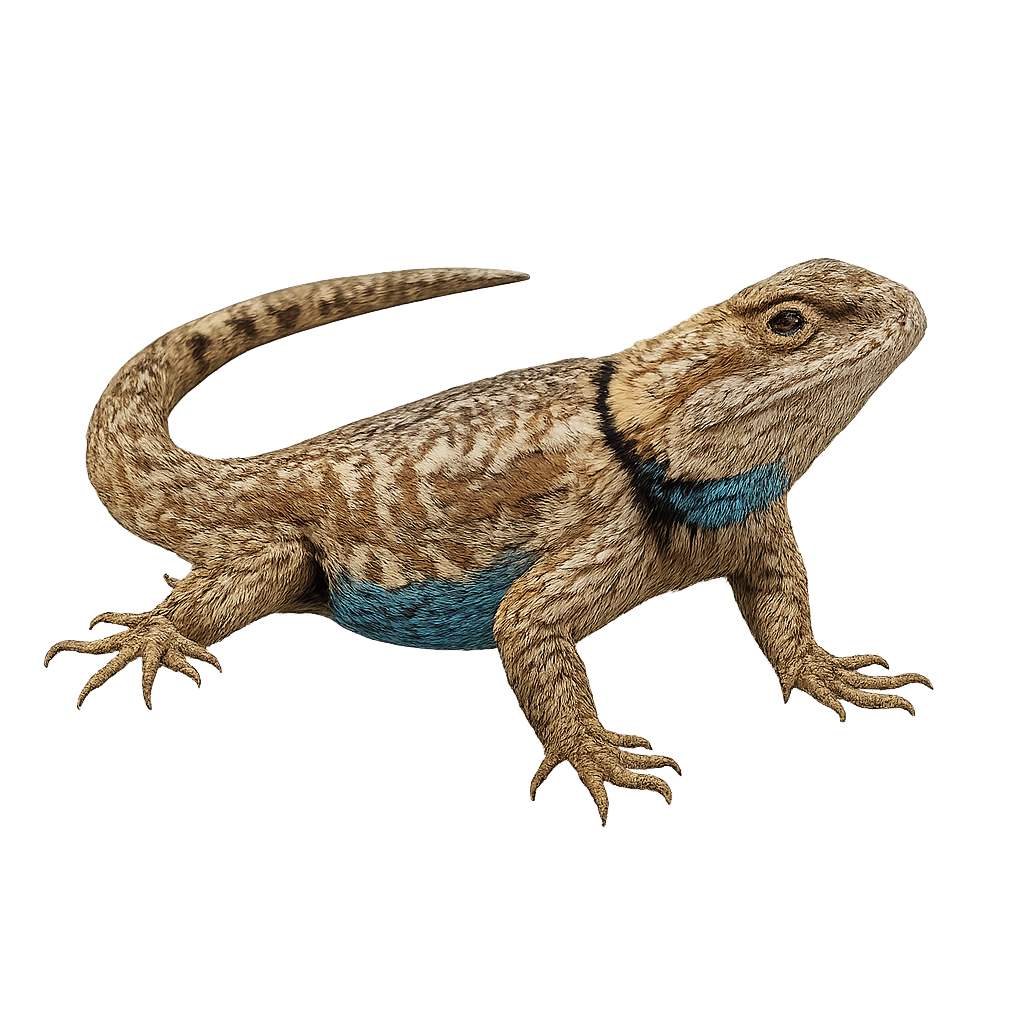
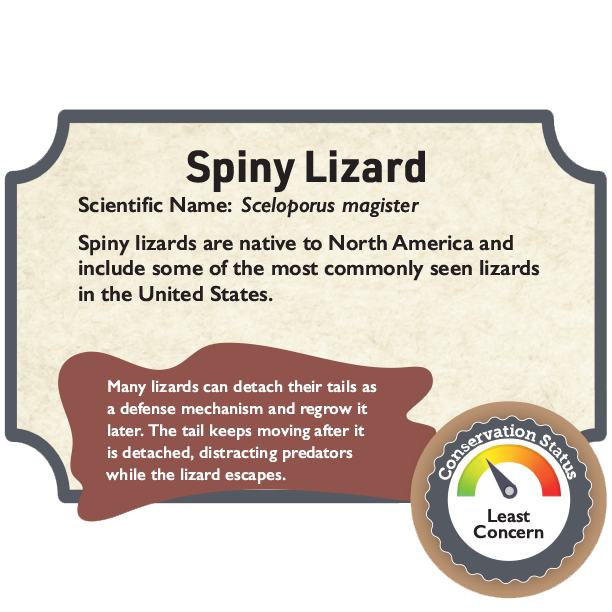
Spiny Lizard
Spiny lizards are well suited to warm, rocky environments. Their scales and coloring help them blend into their surroundings, while some lizards can shed their tails to escape predators.
A Rattle with a Purpose
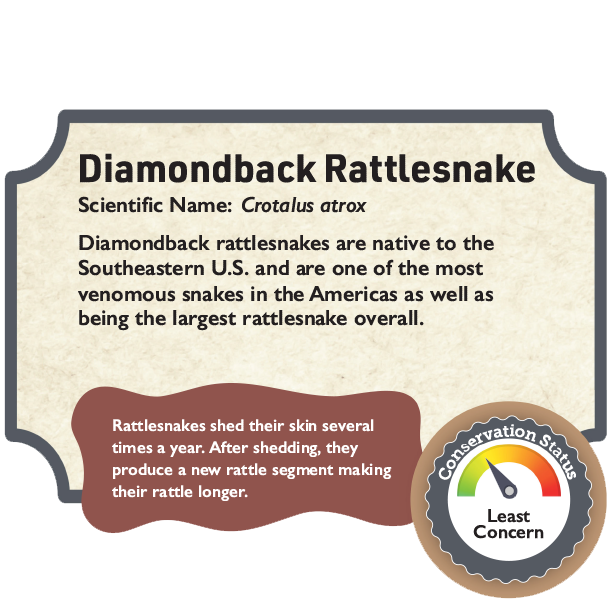
The diamondback rattlesnake can shake its tail up to 60 times per second. Its distinctive rattle is made of keratin, the same material found in human fingernails, and serves as a warning to potential threats.
Meet the Southwest's Native Species
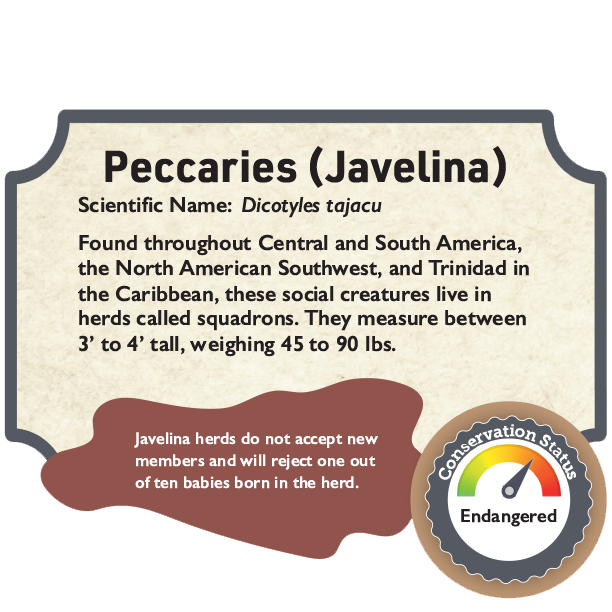
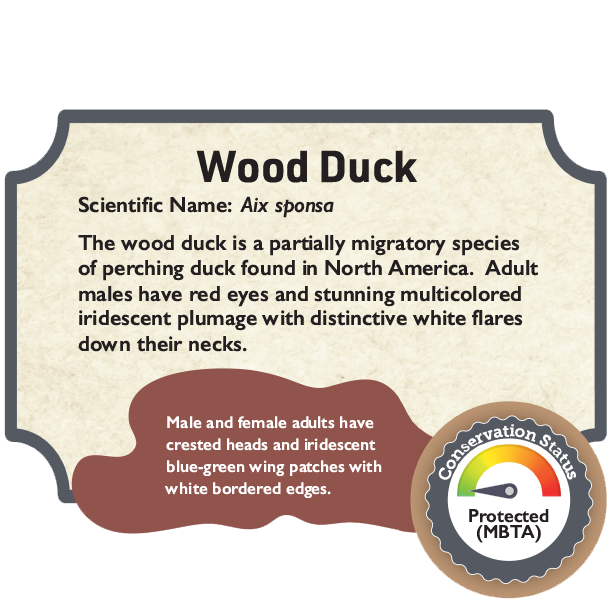
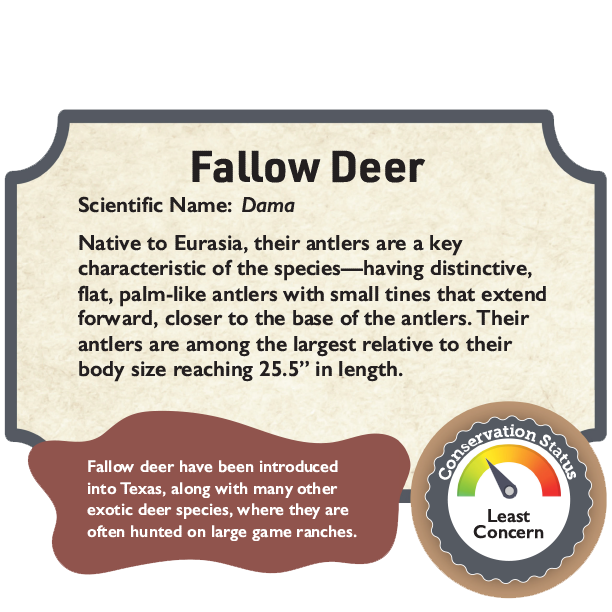
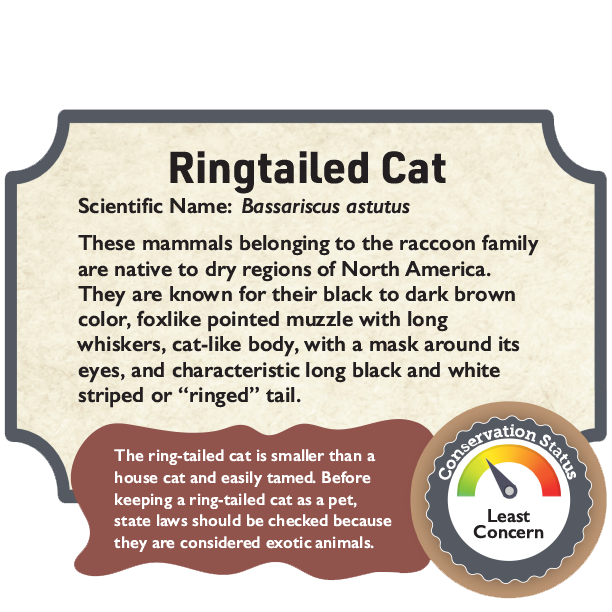
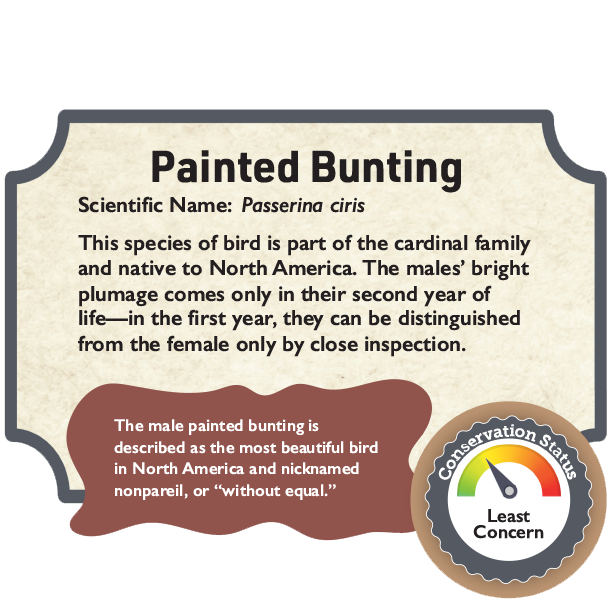
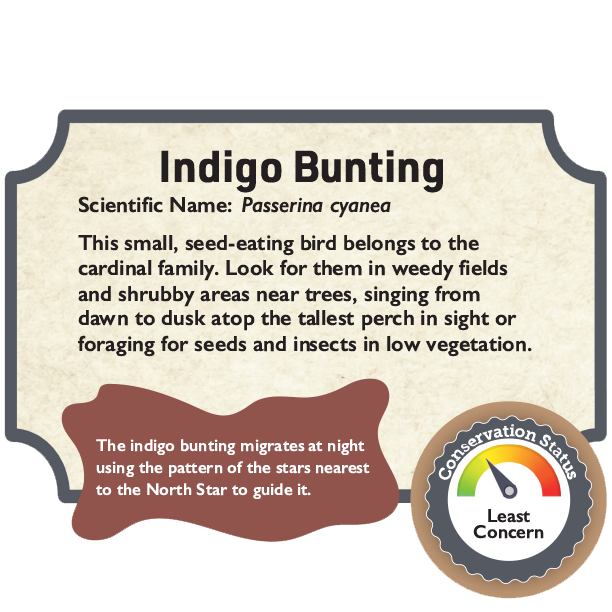
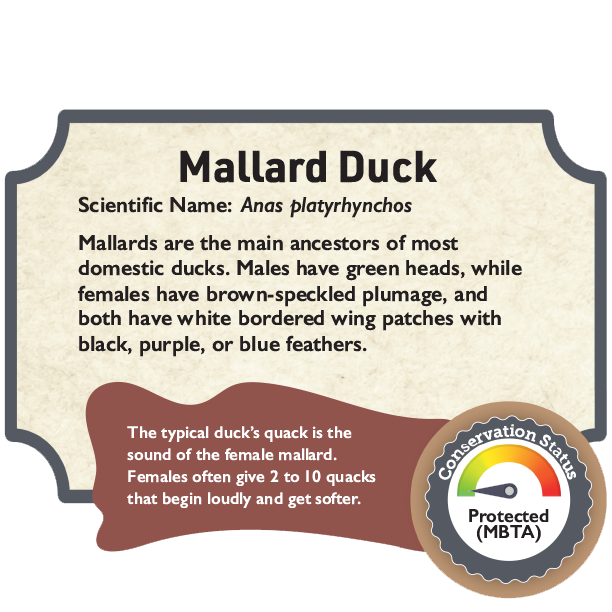
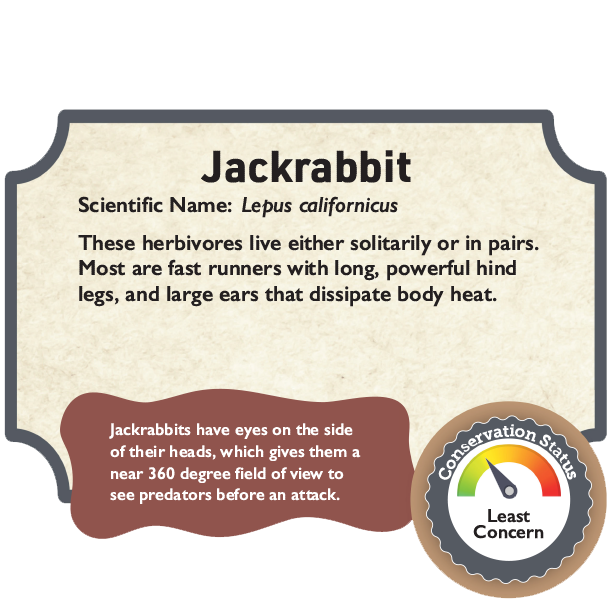
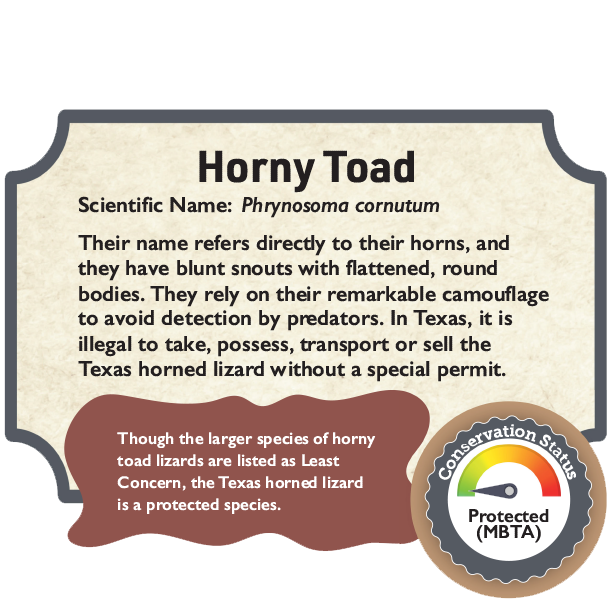
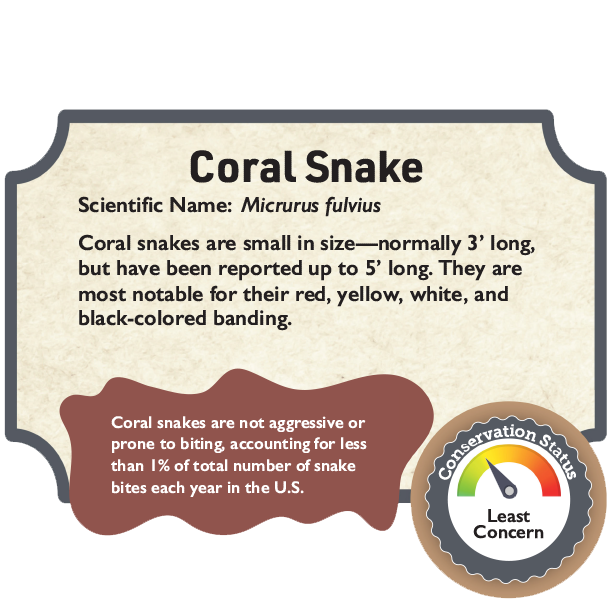
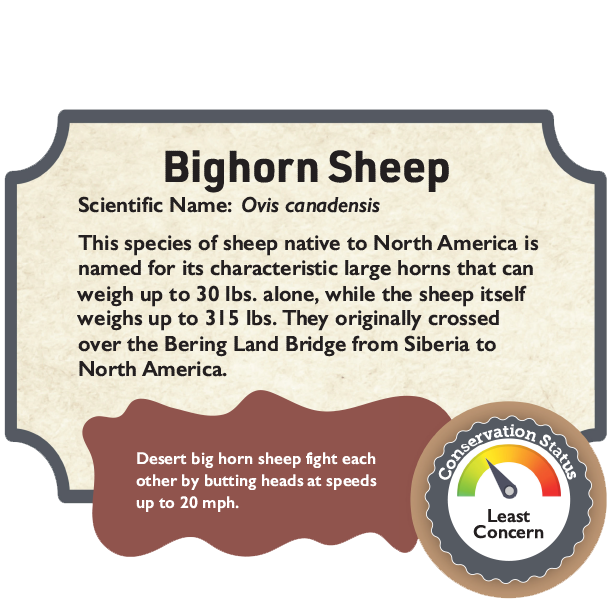
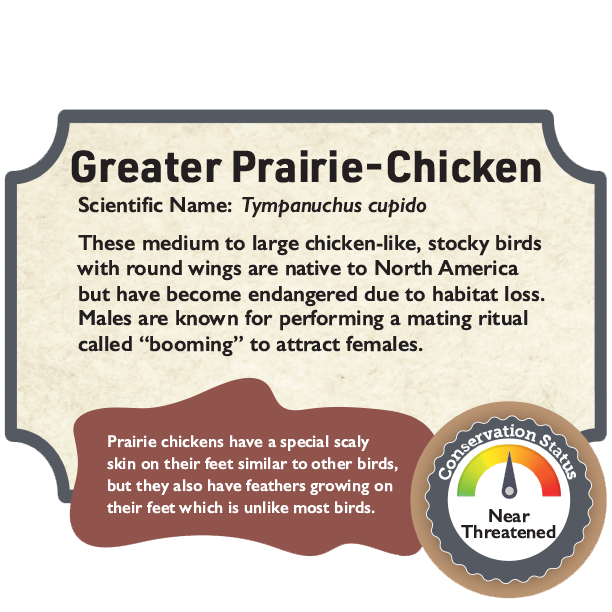
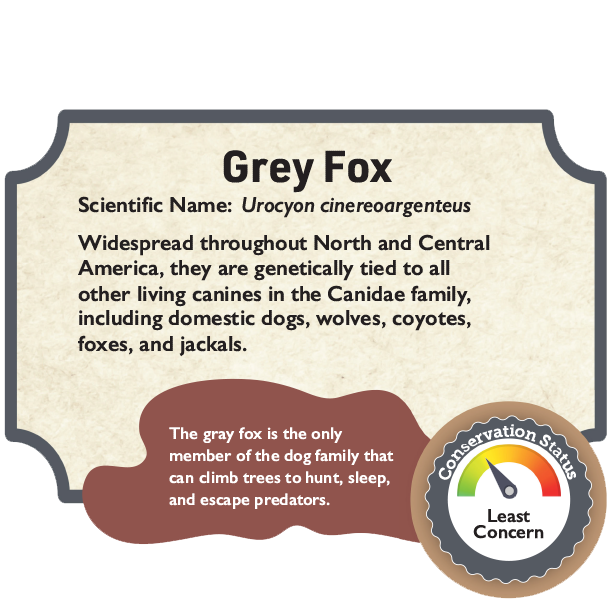
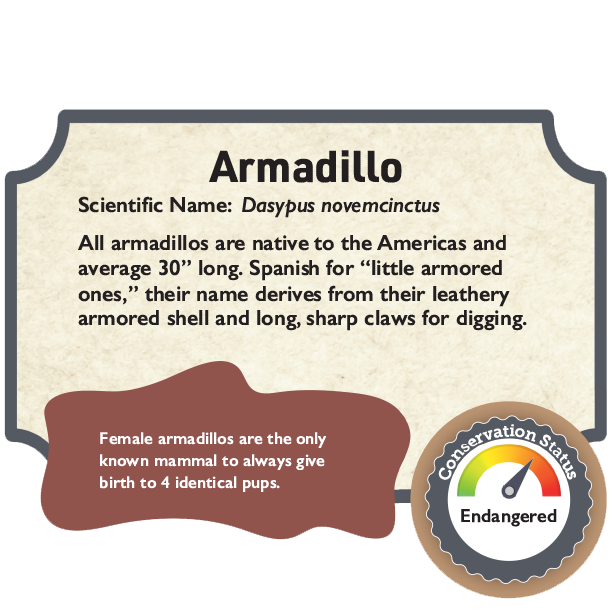
Explore the animals represented in this exhibit. Select a species below to learn more about its characteristics, habitat, and conservation status.

Explore All Southwestern Species





Understanding the Importance of Conservation
Wildlife populations depend on healthy habitats, available food and water, and the ability to reproduce and adapt. Changes to these conditions can put added pressure on vulnerable species.
Several species found in the Southwest have experienced regional declines, including black-tailed prairie dogs, burrowing owls, lesser prairie-chickens, and Texas horned lizards. Learning about these animals is one way to better understand the importance of protecting the ecosystems they call home.