
A World of Ice and Wildlife
Discover the Arctic
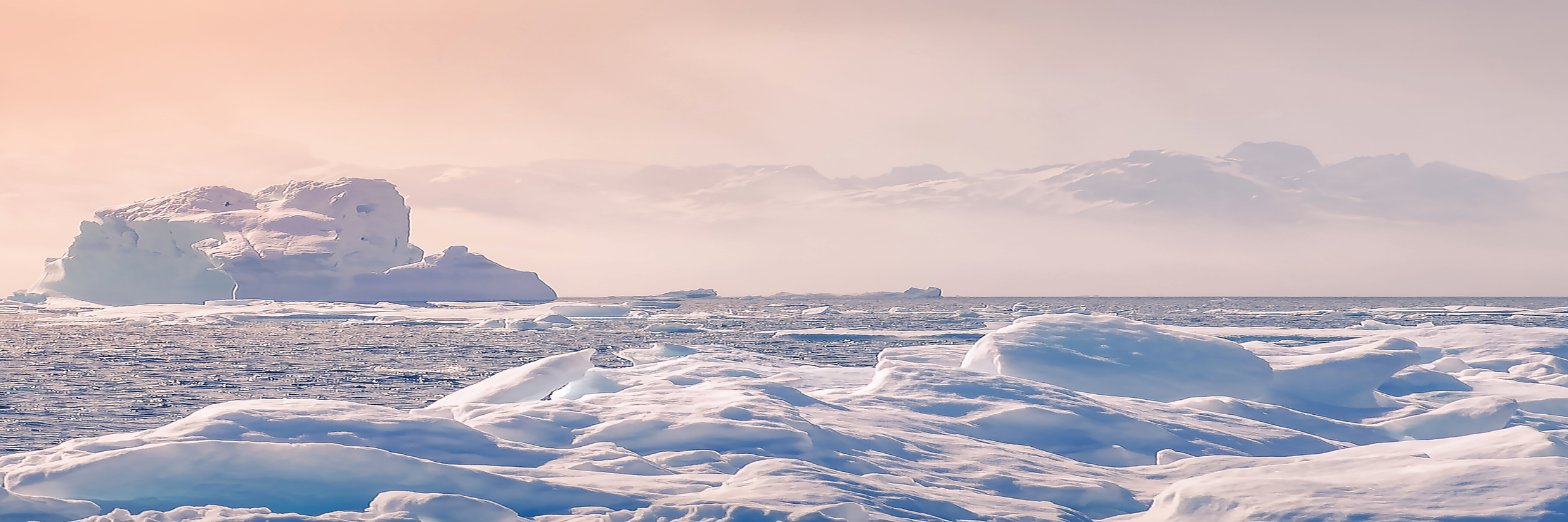
Located in the northernmost part of our planet, the Arctic is a remarkable region shaped by extreme conditions, frozen landscapes, and icy waters. Despite its challenging environment, it is home to an incredible variety of wildlife.
Arctic habitats include frozen tundra, coastal areas, and the waters surrounding the North Pole. Polar bears, Arctic foxes, caribou, musk oxen, walruses, seals, and whales have developed extraordinary ways to survive here.
The Arctic is also rich in natural and cultural history. Indigenous communities have generations of knowledge about the land, rivers, weather, and animals. This knowledge continues to shape life and traditions throughout the region.
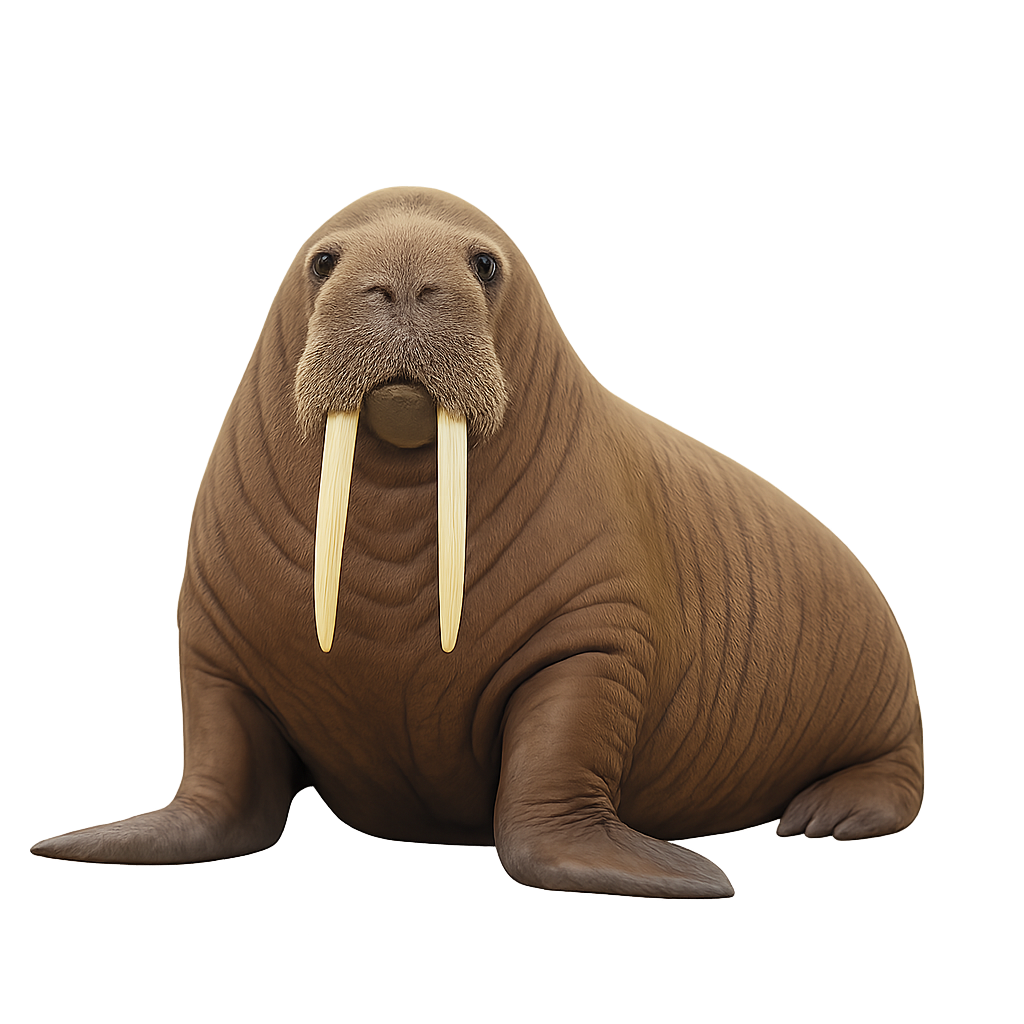
Walruses use their powerful tusks to help pull themselves out of the water and onto ice.
Get Curious · Explore · Discover
Did You Know?
Arctic wildlife has some pretty amazing abilities. Take a closer look at these fascinating facts!
Walrus
Tusks with a Purpose!
Walruses use their long tusks to help haul themselves out of the water and onto ice.
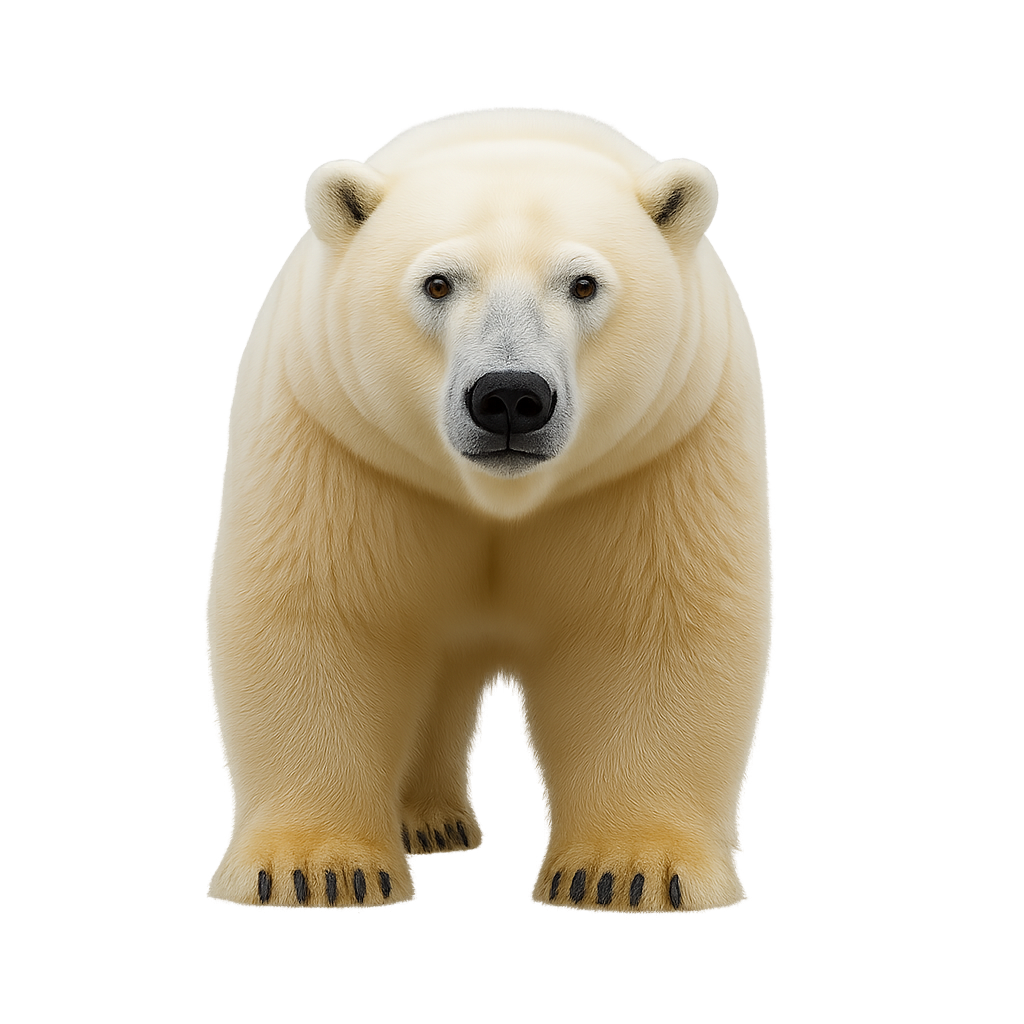
Polar Bear
A Powerful Nose!
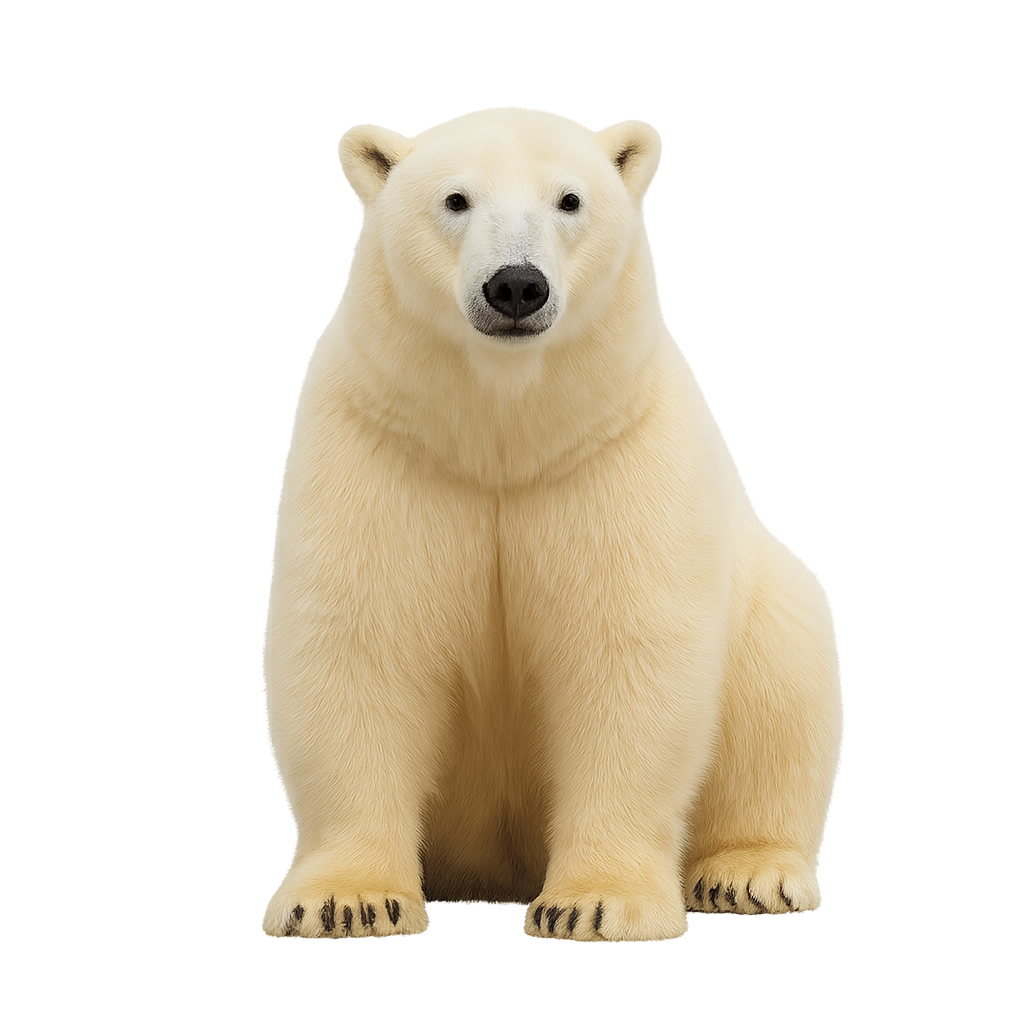
Polar bears can smell seals from over a mile away, helping them locate food across the Arctic landscape.
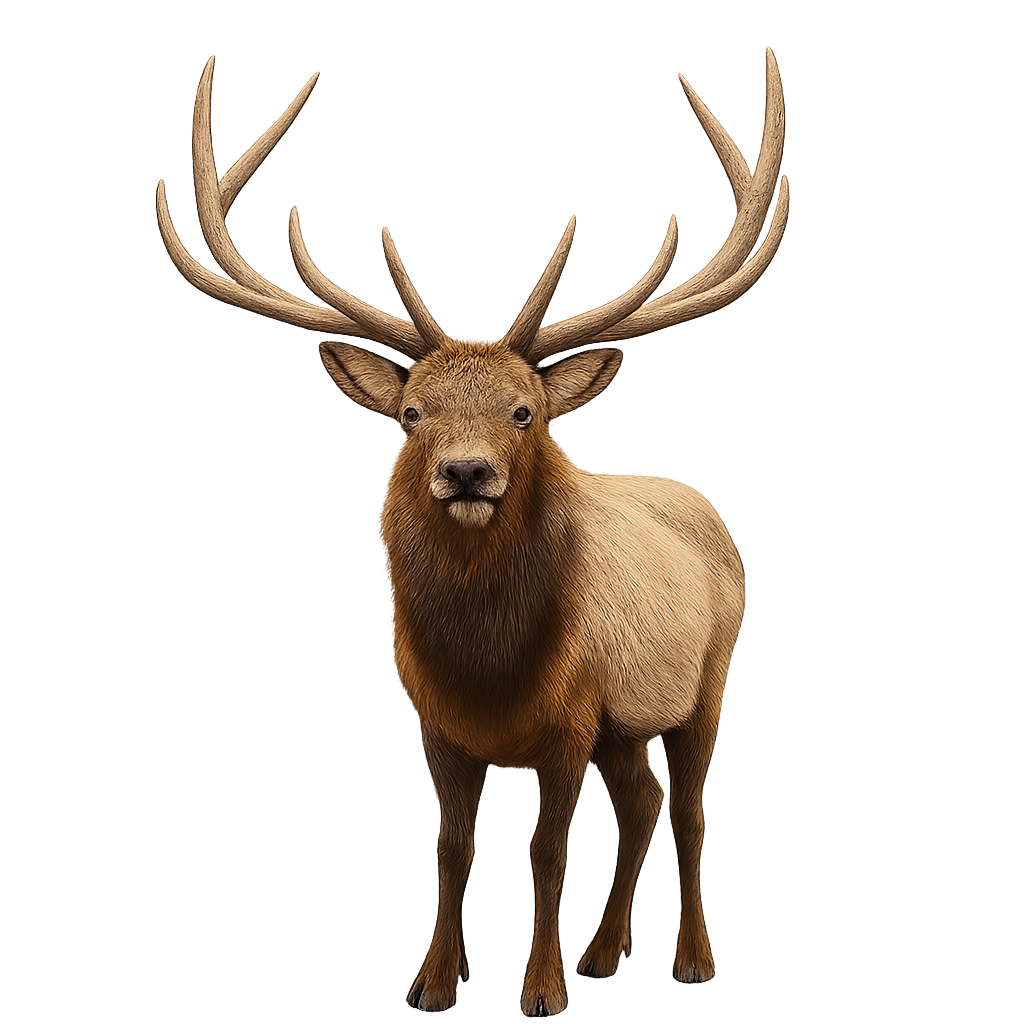
Elk
Growing Antlers!
Elk antlers can grow up to an inch per day during the growing season!
Wildlife Superpower · Fun Fact
Made for the Cold
Polar bears are among the Arctic's most recognizable animals. Their bodies have remarkable adaptations that help them stay warm in one of the coldest environments on Earth.
Beneath their thick, insulating fur, polar bears have black skin. Their dark skin helps absorb heat from the sun, while layers of body fat and dense fur provide insulation against freezing temperatures.
Their large paws also help distribute their weight across ice and provide traction as they travel over snow and swim through cold water.
Explore · Discover · Be Surprised
Arctic Wildlife Has Secrets!
From icy waters to frozen tundra, Arctic animals have amazing adaptations. Here are three fun facts to get you started.
Want to discover more?
There's plenty more Arctic wildlife trivia where that came from.Experience It in Person
Plan Your Visit
See the Arctic collection and explore all six exhibits at Brookshire's Wildlife Museum.
Visitor Information & Details